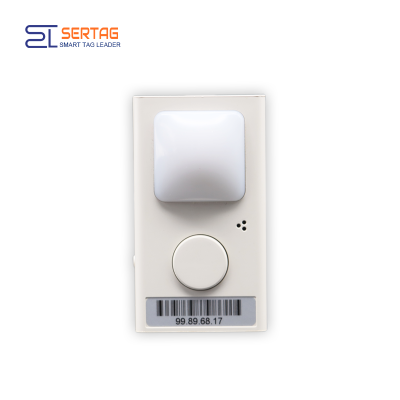
How Pick to Light Improves Accuracy in High-SKU Warehouses
In today's distribution centers, SKU counts are growing faster than ever. From e‑commerce fulfillment to spare parts and healthcare logistics, warehouses are expected to manage tens of thousands of SKUs with high speed and near‑zero tolerance for errors.
Warehouses with a large number of SKUs often face common challenges, including the difficulty of distinguishing similar-looking products stored close together, long pick paths that increase operator fatigue and the likelihood of mistakes, and the reliance on paper lists or RF devices that require constant checking of screens. Additionally, new or temporary workers may be unfamiliar with item locations, leading to further errors.
Even a small error rate in such environments can quickly result in costly returns, rework, and customer dissatisfaction, especially when order volumes are high. This is where Pick to Light (PTL) systems stand out—by turning complex picking tasks into simple, visual instructions that dramatically improve accuracy.
How Pick to Light Reduces Picking Errors
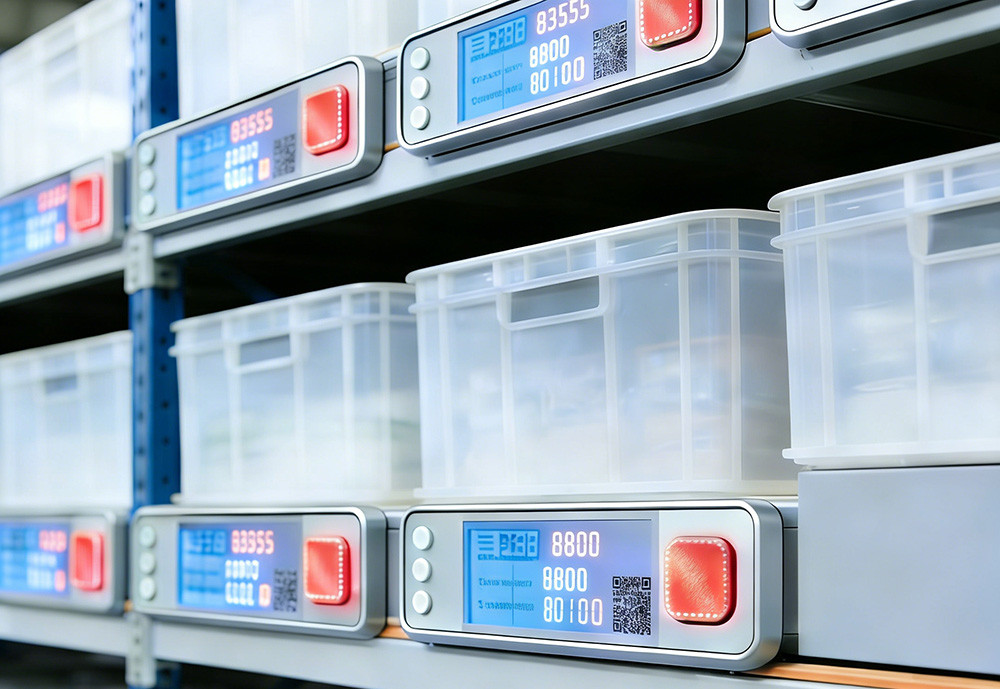
Pick to Light systems use LED indicators and digital displays mounted directly at storage locations. When an order is released, the correct locations light up and show the required quantity.
This approach improves accuracy in several key ways:
1. Visual Guidance Eliminates Guesswork
Operators no longer need to interpret paper lists or search for locations on handheld devices. The correct pick location is clearly highlighted, reducing cognitive load and mispicks.
2. Quantity Confirmation at the Shelf
Each PTL module displays the exact quantity to pick. This minimizes over‑picking or under‑picking, especially for small or fast‑moving items.
3. Immediate Feedback and Error Prevention
Pick to Light systems require confirmation—often via a button press—before moving on to the next task. This step ensures the pick is completed correctly and prevents skipped locations.
Why High‑SKU Operations Benefit the Most
The higher the SKU density, the greater the risk of human error. In environments like e-commerce fulfillment centers, spare parts and maintenance warehouses, healthcare and pharmaceutical storage, and electronics and component distribution, these challenges are especially pronounced. Pick to Light systems excel in these settings, as they streamline the picking process and ensure accuracy even in high-SKU environments. By providing clear visual guidance and confirmation, PTL systems help warehouses routinely achieve picking accuracy rates of up to 99.9%, minimizing errors and improving operational efficiency.
For warehouses managing a growing number of SKUs, improving accuracy is not just about speed—it's about reliability, scalability, and customer trust.
Pick to Light systems provide a proven way to simplify complex picking processes, reduce errors, and maintain high performance even as SKU counts and order volumes increase.
Looking to improve picking accuracy in a high‑SKU warehouse?
📧Contact us (sales@sertag.com) to explore a Pick‑to‑Light solution tailored to your operation.