How to Choose the Right Pick to Light System for a Smart Warehouse?
As warehouses become more automated and order fulfillment becomes increasingly demanding, businesses are looking for faster and more accurate ways to manage picking operations. A Pick to Light (PTL) system is one of the most practical technologies for improving warehouse picking efficiency without requiring a fully automated warehouse.
Unlike traditional paper-based picking, a Pick to Light system uses illuminated indicators, displays, buttons, and software to guide operators to the correct picking locations. When integrated with a Warehouse Management System (WMS), it can provide real-time picking instructions and help reduce errors.
However, not every PTL system is the same. The right solution depends on your warehouse layout, picking workflow, order volume, software environment, and future expansion plans.

Start with Your Warehouse Picking Requirements
Before selecting the right Pick to Light soluiton, define your warehouse requirements.
Consider the following questions:
● How many picking locations do you have?
● How many orders are processed per day?
● How many operators work simultaneously?
● What is the average number of items per order?
● Do operators need quantity displays?
● Do you need wireless or wired devices?
● Does the system need to integrate with your existing WMS or ERP?
● Do you expect the warehouse to expand in the future?
For a small warehouse with relatively simple picking tasks, a basic PTL system with illuminated buttons may be sufficient. For larger or more complex warehouses, you may need display-based devices, wireless communication, centralized software, API integration, and multiple PTL stations.
Choosing the system based on actual workflow requirements helps avoid unnecessary hardware costs while leaving enough room for future expansion.
Choose the Right Pick to Light Devices
Pick to light devices are the physical interface between the warehouse operator and the PTL system. Different applications may require different types of devices.
● LED Pick to Light Devices
LED indicators provide simple visual guidance and are suitable when operators only need to know which location requires attention. They can be used for straightforward picking, sorting, replenishment, and order fulfillment applications.
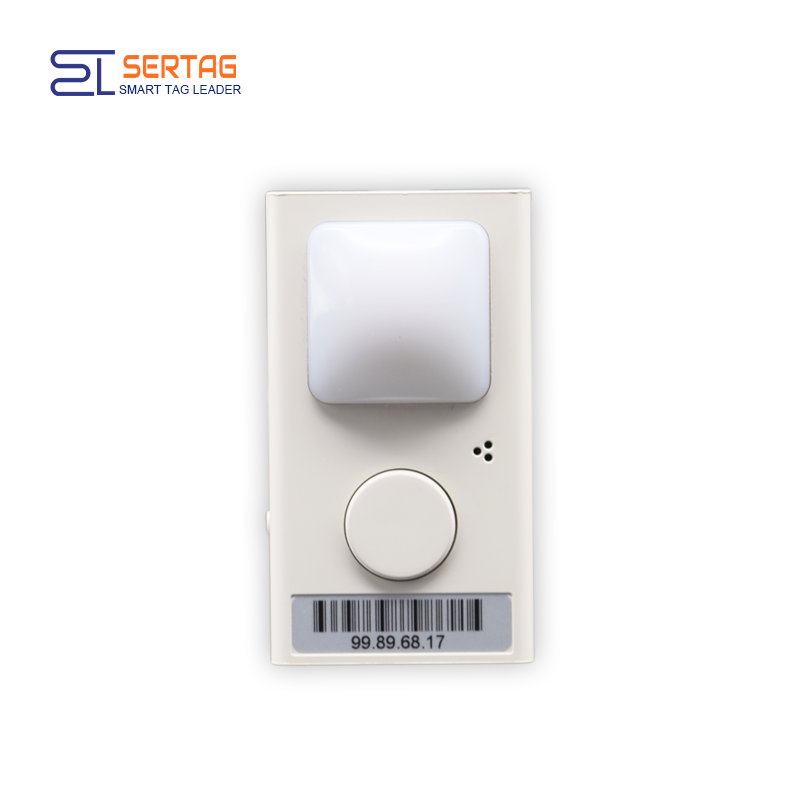
● Illuminated Button PTL Devices
Devices with illuminated buttons allow operators to confirm that a picking task has been completed.
This provides a simple two-way interaction:
Light On → Pick Product → Press Button → Task Confirmed
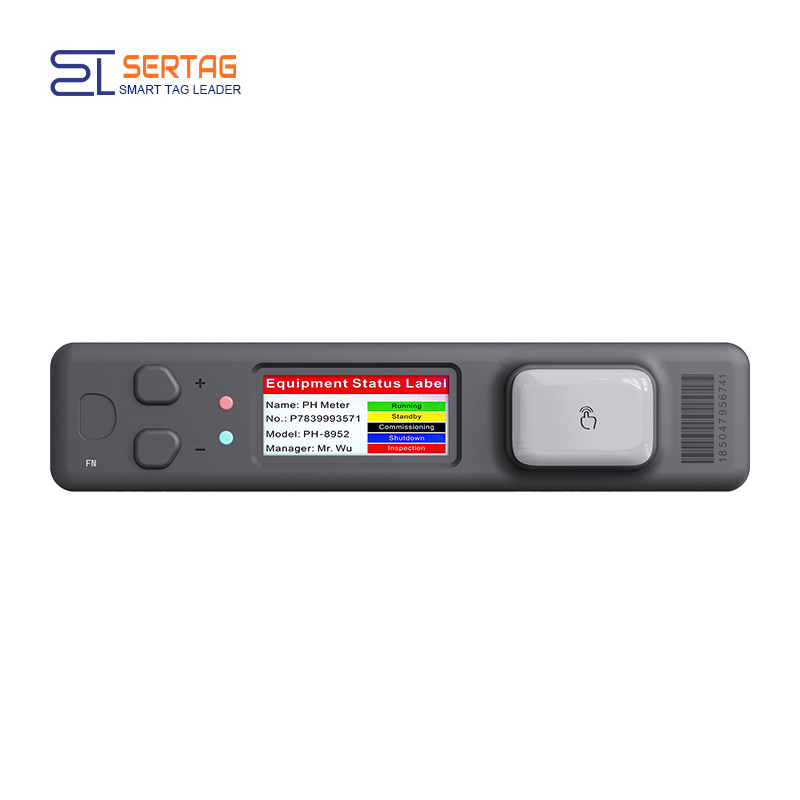
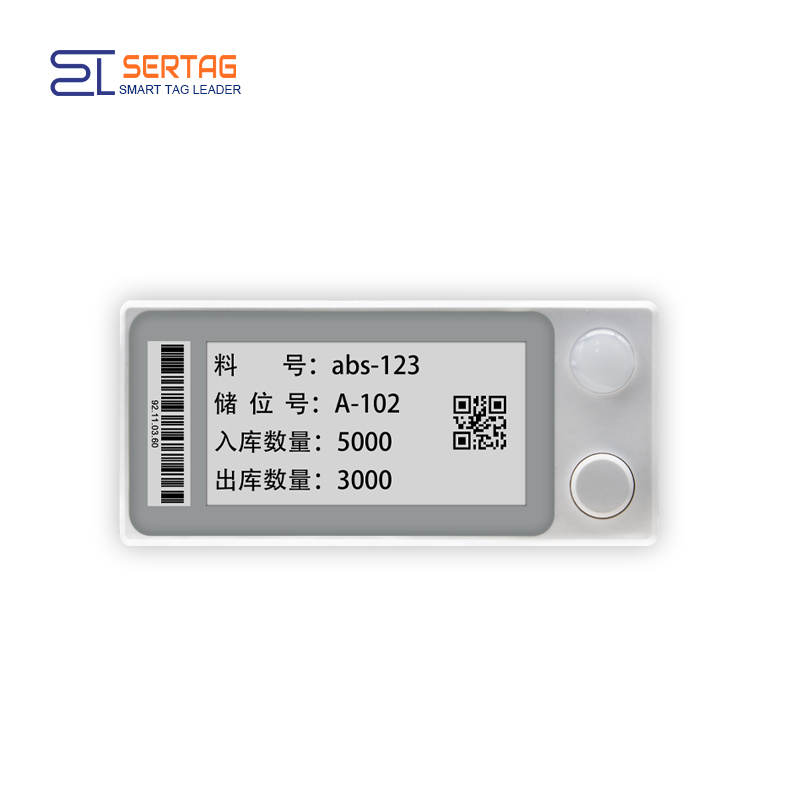
● Display-Based Pick to Light Devices
When operators need more information, display-based devices can show quantities, product codes, order information, or other instructions. These devices are useful for warehouses with more complex picking workflows.
Consider Communication and Scalability
A PTL system may include hundreds or even thousands of devices, so reliable communication is essential.
For wireless systems, check the communication frequency, transmission range, network capacity, and resistance to interference. The system should also allow multiple devices or stations to operate simultaneously without communication conflicts.
Scalability is equally important. If your warehouse is expected to grow, make sure the system can support additional devices, gateways, and picking stations without requiring a complete system replacement.
Starting with a small pilot project and expanding the system later can be a practical approach for many warehouses.
Look for a Complete Smart Warehouse PTL Solution
The goal of a Pick to Light project is not simply to install illuminated labels. The real value comes from connecting hardware, software, and warehouse management systems into one workflow.
A complete Smart Warehouse PTL Solution should include:
✔ Hardware: Pick to Light devices, buttons, indicators, displays, and gateways.
✔ Software: A platform for managing picking tasks and PTL devices.
✔ Integration: Connectivity with WMS, ERP, or other warehouse systems.
✔ Support: Configuration, customization, technical assistance, and after-sales support.
When these components work together, PTL can help warehouses improve picking efficiency while creating a more connected and scalable workflow.
Before choosing a PTL system, ask:
● Does it fit my warehouse picking process?
● Are the devices suitable for my application?
● Does the software support WMS/ERP integration?
● Can the system support future expansion?
● Can multiple devices operate reliably at the same time?
● Does the manufacturer provide customization and technical support?
Choosing the right Pick to Light system means looking beyond individual hardware components. The best solution should combine reliable pick to light devices, flexible pick to light software, stable communication, and support from an experienced pick to light manufacturer.
For businesses building a smarter warehouse, selecting a scalable and integrated Smart Warehouse PTL Solution can provide a practical way to improve picking speed, accuracy, and operational efficiency.